Experience Quality Roofing with Winnipeg top Roofer
Experience Quality Roofing with Winnipeg top Roofer
Blog Article
First-Rate Roof Solutions From a Established Roofer
Quality roofing services serve an crucial role in preserving a home's structural soundness. A reliable roofer provides expertise and careful consideration, guaranteeing a durable roof that withstands the elements. Homeowners often ignore the significance of selecting the right professional. Knowing what to look for can make a substantial difference. What factors truly characterize a dependable roofer, and how can they impact the longevity of your roof? The answers may surprise you.
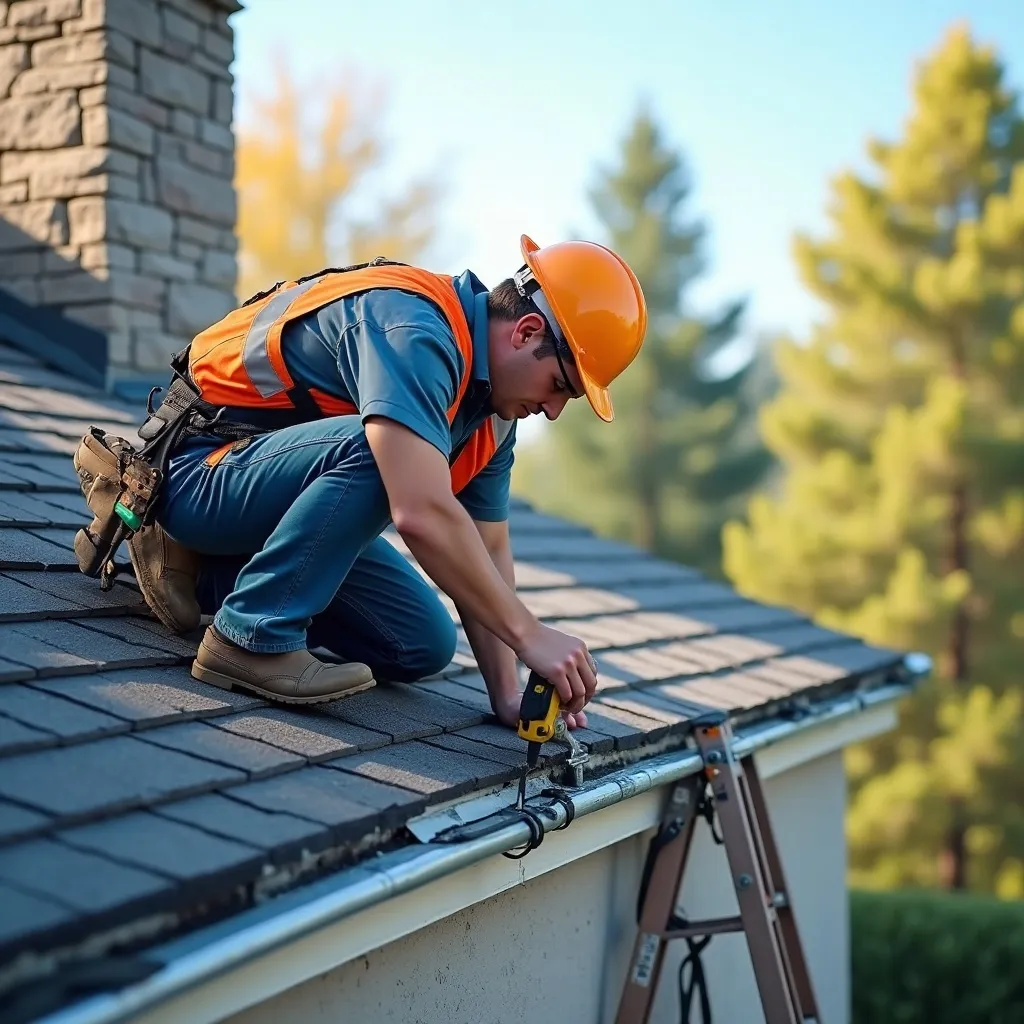
Important Factors to Review for Superior Roofing Services
When looking for premium roofing options, homeowners should prioritize several essential elements to guarantee a robust and lasting installation. First, they should assess the contractor's proficiency and background in the roofing industry. A well-established company with a solid track record is more likely to provide superior workmanship. Next, it is essential to check customer testimonials and ratings to determine overall satisfaction. Homeowners should also question the materials involved, as high-quality materials play a major role to the durability of a roof. Licensing and insurance are vital; quality contractors hold liability insurance and are adequately licensed to operate in the area. Finally, obtaining multiple quotes allows homeowners to evaluate pricing and services, making certain they obtain fair value. By emphasizing these factors, homeowners can make informed decisions when selecting premium roofing options that meet their needs.
Why a Reliable Roofer Is Essential
A trusted roofing contractor serves as an essential role in guaranteeing the durability and effectiveness of a roofing system. With dependable workmanship guarantees, property owners can have confidence understanding their property is protected. Additionally, a commitment to quality materials significantly improves the durability and functionality of the roofing system.
Trustworthy Workmanship Warranty
Opting for a trusted roofer is crucial, as their dependability directly determines the standard of workmanship and the lifespan of a roof. A reliable workmanship guarantee confirms homeowners that the job will be finished to the best quality. This commitment demonstrates the roofer's confidence in their skills and the methods they employ. When a roofer offers such a warranty, it signals a dedication to workmanship and responsibility, reducing the chance of future complications. Homeowners can rest easy knowing that if issues arise, they can depend on the roofer to handle them quickly. Ultimately, opting for a roofer who stands behind their work creates peace of mind and assures a roof that will withstand the test of time.
Quality Materials Verification
Quality materials assurance plays a important role in roofing projects, since the roof’s durability and functionality mostly depend on the materials used. Trusted roofers give priority to high-grade materials, assuring that clients receive goods that resist harsh weather conditions and stand the test of time. These specialists have established ties with reputable suppliers, allowing them to obtain premium materials that satisfy industry standards. Furthermore, a trusted roofer recognizes the unique demands of various roofing systems, providing specialized solutions that reinforce structural integrity. By choosing a roofer who values quality materials assurance, homeowners can avoid excessive future repair costs and guarantee lasting protection for their properties. Ultimately, this focus on quality generates trust and satisfaction among clients, enhancing the roofer’s reputation in the industry.
How do you recognize whether a roofing specialist is honest?
What approaches can property owners use to verify a roofer's trustworthiness? To evaluate a roofer's dependability, homeowners should begin by verifying for appropriate licensing and coverage. A reliable roofer will have the required licenses, which differ by state, ensuring adherence with local regulations. Insurance is equally critical, as it protects property owners from potential liabilities during the roofing process.
Following this, seeking out references and examining online reviews can give insight into the roofer's previous track record. A credible contractor will readily provide testimonials from content clients. Homeowners should also ask about warranties on both materials and labor, as these guarantees indicate the roofer's confidence in their work.
Finally, obtaining multiple estimates can help homeowners assess pricing and services offered. A reliable roofer will deliver a detailed proposal, explicitly describing the scope of work and related costs, allowing educated decision-making.
Best Roof Services: Categories of Materials and Their Strengths
Roofing products hold an essential role in the overall durability and longevity of a home. Different types of roofing products are available, each providing specific benefits suited to particular needs. Asphalt shingles are favored for their affordability and ease of installation, ensuring reliable protection against the elements. Metal roofing is distinguished by its durability and energy-efficient qualities, often surpassing the lifespan of traditional materials. Clay and concrete tiles feature a distinctive aesthetic and excellent thermal performance, making them perfect for warmer climates.
Wood shakes and shingles, while demanding more care, offer a natural look and good insulation. Additionally, artificial materials, such as rubber or composite shingles, blend the aesthetic of traditional options with superior durability and lower maintenance requirements. Each choice offers different advantages, allowing homeowners to choose based on financial considerations, regional weather, and aesthetic preferences, ultimately lending to the home's integrity and value.
Why Correct Fitting Procedures Secure Roof Lifespan
Ensuring a roof is installed properly is vital for its persistence and peak performance. Best installation practices involve meticulous focus on detail, including accurate dimensions, suitable material options, and the use of high-quality fasteners. Each constituent, from protective layer to shingles, must be correctly positioned and secured according to manufacturer specifications and industry standards.
When installation is executed properly, it minimizes the risk of water intrusion, wind damage, and other structural problems that could compromise the roof's integrity. Additionally, correct ventilation and insulation are essential in avoiding moisture buildup, which can lead to mold and deterioration over time. Investing in experienced roofing contractors who prioritize quality workmanship not only improves the roof's lifespan but also provides peace of mind for homeowners. Ultimately, a well-installed roof serves as a robust defensive layer, ensuring lasting durability against the elements and safeguarding the underlying structure.
Identifying Typical Roofing Problems and Their Solutions
Common roofing issues often have a strong impact on the condition of a house. One of the most regularly seen problems is leaks that come from damaged shingles, important resource faulty flashing, or degraded sealants. Spotting these leaks early is vital because they may result in widespread water damage if ignored. Additionally, moss and algae present another frequent problem, affecting both the materials and look of the roof. Maintaining regular cleaning of the roof surface can help lessen this issue.
Additionally, cracked or missing shingles signal wear and tear, often necessitating replacement to preserve weather resistance. Poor ventilation can also cause excessive heat, causing premature aging of roofing materials. Homeowners are encouraged to perform regular inspections and seek advice from professional roofers for fixes customized for specific issues. Timely identification and resolution of these common problems can greatly prolong a roof's lifespan and safeguard the home's overall structure.
Methods to Care For Your Roof and Prolong Its Lifespan
Sustaining a roof necessitates regular inspections to identify potential issues before they escalate. Quick maintenance are required in prolonging the lifespan of roof elements and stopping expensive deterioration. By highlighting these methods, homeowners can assure their roofs remain in peak condition for the foreseeable future.
Regular Inspections Are Important
Frequent assessments are key in extending the life of a roof. By detecting potential issues early, homeowners can stop minor concerns from escalating into serious damage. A detailed inspection usually covers looking for missing shingles, evaluating flashing durability, and examining gutters for debris accumulation. These evaluations allow for prompt interventions, making sure that the roof remains watertight and structurally sound. Furthermore, seasonal inspections can help adjust maintenance plans based on changing weather conditions, which may impact roof performance. Creating a regular inspection routine, ideally twice annually, allows homeowners to remain prepared about roof upkeep. This careful attention not only improves the roof's durability but also boosts the overall value of the property, making it a wise investment.
Quick Fixes Important
Handling roof issues promptly is necessary for sustaining longevity and performance. Delaying repairs can lead to more extensive damage, boosting repair costs, and potentially compromising the structural integrity of a home. Small leaks, for example, can quickly develop into significant problems if not treated swiftly. Homeowners should regularly assess their roofs for signs of wear, such as missing shingles, water stains, or granule loss. Engaging a professional roofer for timely assessments and repairs can prevent minor issues from progressing into major headaches. Additionally, maintaining an open line of communication with a trusted roofing service ensures that any concerns are addressed before they escalate. Proactive maintenance ultimately preserves the roof's lifespan and protects the overall investment in the home.
Often Asked Questions
How long Does a Typical Roofing Job Take to Complete?
A typical roofing project generally takes one to two weeks to complete, based on various factors such as the size of the roof, material type, climatic factors, and any unexpected issues that may occur during the process.
Which Warranties Are Included on Roofing Services?
Roofing service warranties generally feature workmanship warranties spanning one to ten years and material warranties extending to 50 years. The details often depend on the roofing materials used and the contractor's policies.
Do I require a License for Roof Work?
Yes, a permit is typically needed for roof maintenance, depending on local ordinances and the extent of the project. Property owners should reach out to their government offices to confirm adherence with required construction standards and permits.
How Do I Prepare My Home for Roofing Installation?
In order to ready a home for roofing installation, one must clear the area around the house, remove outdoor furniture, secure pets indoors, and guarantee easy access to the roof for workers and materials.
What Choices Do I Have if My Roof Is Leaking After It's Installed?
In the event a roof leaks after setup, the homeowner must quickly contact the roofing contractor for assessment. Capture pictures of the issue, and confirm all exchange is lucid to support timely work and avert additional deterioration.
Report this page